
Introduction
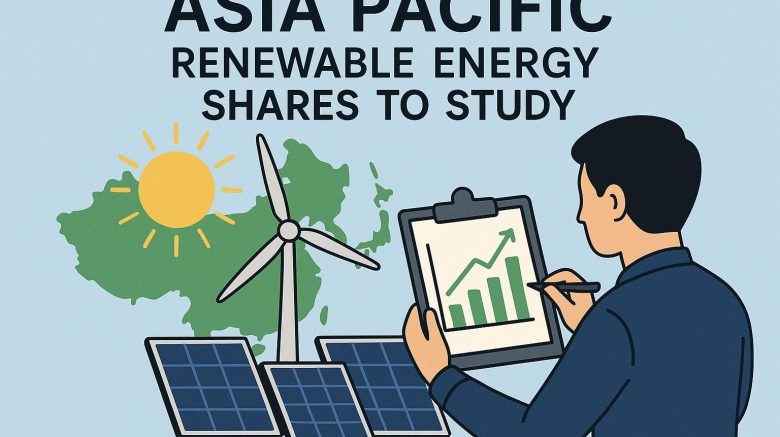
The Asia Pacific region has emerged as a robust leader in the renewable energy sector, reflecting a blend of innovative policies, technological advancements, and growing investments. In recent years, countries across this region have increased their focus on renewable energy sources such as solar, wind, and hydroelectric power. This shift is primarily due to the rising concern over fossil fuel depletion, environmental sustainability, and meeting international carbon reduction commitments.
Key Players in Asia Pacific Renewable Energy Market
Within the Asia Pacific, several countries have made significant strides in renewable energy development. China, Japan, India, and Australia are notable contributors. These nations have implemented policies that foster the growth of renewable energy shares in their respective energy markets.
China has cemented its position as the global leader in renewable energy capacity. The country has made substantial investments in both solar and wind power projects, resulting in a remarkable increase in renewable energy contributions to its power grid. China’s push into renewable energy is part of a broader strategy to reduce air pollution and greenhouse gas emissions, align with international environmental agreements, and secure energy independence. The nation’s commitment is evident as it continues to invest in large-scale solar farms and offshore wind projects. China also leads in manufacturing renewable energy technologies, significantly reducing costs and enhancing global accessibility.
Japan, following the Fukushima nuclear disaster, has pivoted towards renewables, particularly solar power, to reduce dependence on nuclear energy. The country has focused on integrating solar power into both residential and commercial sectors. Regulatory frameworks support the integration of renewables into the national grid. Japan’s energy strategy outlines substantial growth in renewables, supported by government incentives for energy storage systems, furthering energy efficiency, and promoting diverse energy sources.
India has launched ambitious plans to enhance its renewable energy output, primarily focusing on solar and wind energy solutions. The Indian government’s initiatives, such as the National Solar Mission, aim to promote sustainable energy development by establishing solar parks and encouraging rooftop solar installations. India has also explored advancements in wind energy technology, targeting emerging technologies such as floating wind turbines. India’s large scale and small-scale renewable projects symbolize efforts to provide clean energy access while supporting rural electrification and industrial growth.
Australia is also a critical player, exploiting its rich solar and wind resources to generate clean energy efficiently. Australia’s energy landscape has shifted dramatically, with increased investments in solar batteries and the development of energy trading systems to manage supply and demand effectively. Governmental support in the form of Renewable Energy Target (RET) and state incentives plays a key role in driving this transformation.
Technological Advancements
The growth of renewable energy in the Asia Pacific is further driven by technological innovations. Developments in photovoltaic technology, battery storage, and smart grid systems have made renewable energy more viable and cost-effective. Enhanced efficiency in converting and storing energy allows better integration of renewables into existing power systems, reducing reliance on fossil fuels. Innovations such as floating solar farms are gaining traction due to the limited land in many Asia Pacific countries. Advancements in storage technologies, including lithium-ion and next-generation batteries, enable more efficient energy management, addressing one of the significant challenges of renewable intermittency. Additionally, the integration of artificial intelligence in grid management represents a step forward in optimizing renewable energy outputs and enhancing energy distribution.
Government Policies and Incentives
Governments across the Asia Pacific are implementing supportive policies to boost renewable energy adoption. These include tax incentives, subsidies, and investments in research and development. Many countries have set ambitious renewable energy targets and are working towards promoting international partnerships to accelerate progress. Policies promoting energy efficiency, like building codes and efficiency standards, complement the efforts towards renewable resource enhancement. National strategies often incorporate private sector incentivization to foster innovation and investment in emerging technologies. The alignment of economic stimulus packages with green investments has been a notable trend in supporting the renewable sector post-pandemic recovery.
Challenges and Future Prospects
Despite significant advancements, the renewable energy sector in the Asia Pacific faces certain challenges. Infrastructure development, grid integration, and financing remain hurdles that need to be addressed to realize the full potential of renewable energy. Grid reliability and resilience are critical considerations as most countries face challenges in integrating variable energy sources into existing grids. Moreover, financial investment in new technology projects requires supportive policy environments and international collaboration to manage risks.
Looking ahead, the continuous growth of the renewable energy market in the Asia Pacific is expected. Countries are likely to enhance their capacity through increased investments and technology partnerships. With concerted efforts, the Asia Pacific region can contribute substantially to global renewable energy needs and climate change mitigation efforts. Sustained focus on renewable energy’s cost competitiveness and the implementation of research and development initiatives will further drive the transformation. By fostering collaboration between governmental, private, and international stakeholders, the Asia Pacific stands to significantly lead the global transition towards sustainable energy solutions.
This article was last updated on: October 17, 2026