
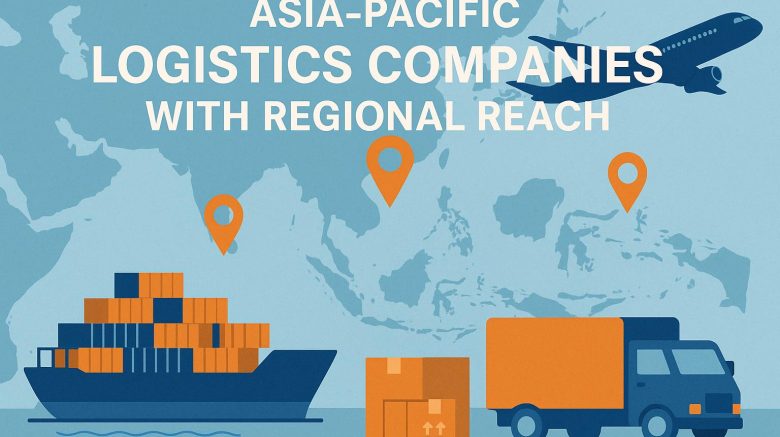
Overview of Asia Pacific Logistics Companies
The Asia Pacific region holds a commanding position in the context of global trade, owing to its strategic geographical location and a cluster of rapidly expanding economies. As a consequence, logistics companies situated within this region perform a vital function in ensuring the efficient execution of supply chain operations across a diverse array of industries. This article delves into some of the noteworthy logistics companies operating in the Asia Pacific region that have distinguished themselves through their extensive reach across key markets.
Key Players in the Asia Pacific Logistics Industry
The logistics landscape of the Asia Pacific is marked by a number of influential players that have established themselves through a combination of exemplary service delivery and expansive operational networks.
DHL Express
DHL Express emerges as a prominent logistics enterprise in the Asia Pacific region, known for its dependable service offerings. Specializing in international express mail services, DHL guarantees the timely delivery of parcels and documents across borders. The firm boasts a major presence in pivotal economies such as China, Japan, and Australia, effectively leveraging its comprehensive network infrastructure to bolster business operations across different sectors.
Nippon Express
Based in Tokyo, Nippon Express is another heavyweight in the logistics industry across Asia. The company is renowned for its diverse array of services, including freight forwarding, transportation, and warehousing. This wide-ranging portfolio renders it an indispensable partner for businesses looking to optimize their supply chain functionalities within the Asia Pacific terrain.
Kerry Logistics
Kerry Logistics commands a significant presence in the Asian logistical market by virtue of its integrated logistics solutions. With strategically positioned operations across Greater China and the ASEAN countries, Kerry Logistics supports enterprises in several domains, encompassing fashion, electronics, and the food industry. By facilitating robust supply chain solutions, they ensure that businesses in these sectors experience seamless logistical operations.
Innovation and Technology in Logistics
The logistical industry within the Asia Pacific is undergoing constant evolution, driven by substantial investments in innovation and technological advancements. These innovations serve a crucial purpose in enhancing operational efficiencies and curtailing costs associated with logistics.
1. Automation and AI
There is a growing trend among logistics companies to incorporate automation and artificial intelligence (AI) into their operations to streamline processes. The deployment of robots in warehouses for tasks such as sorting and packing exemplifies the use of automation. Additionally, AI-driven analytics are becoming integral to optimizing supply chain operations by providing insights that enhance decision-making accuracy and expedite logistics processes.
2. Blockchain Technology
Blockchain technology is increasingly finding resonance within the logistics industry due to its promise of elevated security and transparency. By adopting blockchain, companies can create immutable records of shipments, thereby fostering a higher degree of trust among partners and stakeholders. Blockchain deployment also aids in the verification processes, making the supply chain more reliable and transparent.
Challenges Facing the Logistics Industry
Notwithstanding the strides made in technological advancements, logistics companies in the Asia Pacific region contend with a variety of challenges. These encompass complex regulatory environments, pressing environmental concerns, and fluctuations in economic stability. To effectively navigate these challenges, logistics companies must engage in strategic planning exercises coupled with robust risk management practices.
Complex Regulations:
The intricate regulatory frameworks that vary across different countries in the region present a significant challenge. Navigating these multifaceted regulations necessitates an acute understanding of customs, trade agreements, and compliance requirements to ensure the smooth functioning of logistics operations.
Environmental Concerns:
Heightened awareness of environmental impacts is prompting logistics companies to adopt sustainable practices. Reducing carbon footprints and engaging in environmentally friendly operations are critical considerations that require innovation and investment in green technologies.
Economic Volatility:
Economic volatility in certain markets can impact logistics operations significantly. Currency fluctuations, economic downturns, and trade policy changes are all factors that logistics companies must prepare for and adapt to in order to maintain resilience and continuity of services.
Conclusion
Logistics companies operating within the Asia Pacific region are central to orchestrating the complex supply chains that underpin economic development. By harnessing technology and establishing strategic networks, these companies continue to be integral components of the logistics landscape within the region. The continuous improvement and adaptation to emerging technologies and challenges ensure that these logistics firms remain at the forefront, supporting industries and facilitating trade and commerce. For further information regarding logistics solutions in the Asia Pacific, interested parties may consider visiting DHL Express or Nippon Express websites for specific service offerings and regional insights.
This article was last updated on: October 3, 2026