
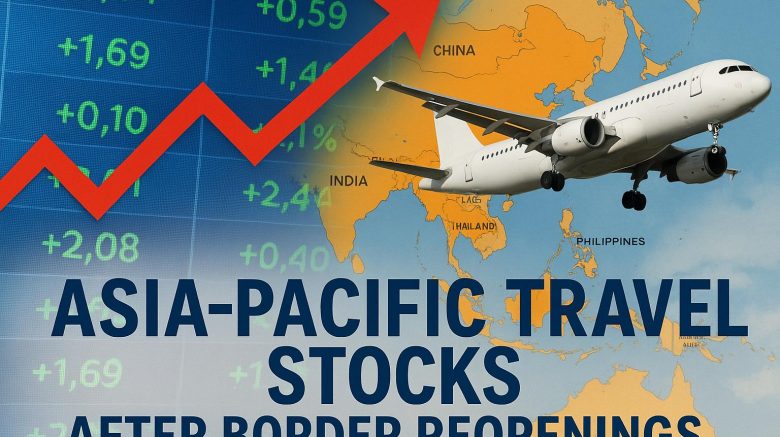
Introduction: The Impact of Border Reopenings on Asia Pacific Travel Stocks
With the gradual reopening of international borders across the Asia Pacific region, there has been a notable shift in the performance of travel stocks. This development has piqued the interest of investors, analysts, and travelers alike, as countries in the region look to recuperate from the economic impact of prolonged restrictions due to the COVID-19 pandemic. This article explores how these reopenings have influenced travel-related stocks and the broader market outlook for the sector.
Current Landscape of Travel Stocks
The Asia Pacific region, home to some of the world’s most dynamic economies, is witnessing a resurgence in travel activity as countries ease travel restrictions. The reopening of borders has provided a much-needed boost to various segments of the travel industry, including airlines, hospitality, and travel agencies. This is reflected in the improved performance of travel stocks which have shown a marked recovery in recent months.
For example, major airlines based in the region have reported an increase in passenger numbers. This surge in demand is partly due to pent-up travel desire among consumers and increased confidence stemming from widespread vaccination drives. As a result, airline stocks have rebounded significantly, with market analysts projecting further growth as travel approaches pre-pandemic levels.
Hospitality Sector Recovery
The hospitality sector, which includes hotels and resorts, also stands to gain from border reopenings. Many hospitality businesses have leveraged this period to revamp their operations, focusing on heightened hygiene standards and enhanced guest experiences. These efforts, combined with the increased influx of international travelers, have led to a gradual uptick in occupancy rates, positively impacting the market value of hospitality stocks.
As borders reopen, hospitality businesses are also exploring avenues for diversifying their offerings. This involves introducing unique packages that blend leisure with remote work opportunities, appealing to both tourists and digital nomads. Such innovation not only enhances customer engagement but also tends to have a positive influence on stock valuation as companies capitalize on emerging travel trends.
Role of Government Policies
Government policies play a crucial role in the speed and sustainability of recovery in the travel sector. Several Asia Pacific governments have introduced policies to facilitate easier cross-border travel, such as establishing travel bubbles or agreements with neighboring countries. Furthermore, government initiatives aimed at promoting domestic tourism during the pandemic have laid a robust foundation for the current recovery.
For instance, countries like Singapore and Thailand have introduced comprehensive tourism incentives and financial support packages for the travel and hospitality sector, aiding its resurgence. These measures not only help offset operational costs but also encourage innovation and resilience among sector players. As a result, companies are better equipped to respond to fluctuating market conditions, thus enhancing the attractiveness of their stocks.
Challenges and Opportunities Ahead
Despite the positive trends, the path to full recovery is not without hurdles. The travel industry continues to navigate challenges such as fluctuating fuel prices, potential new variants of the virus, and varying vaccination rates across countries. Market participants remain vigilant about these factors, which could influence stock performance in the future.
One of the main challenges is maintaining profitability in the face of unpredictable travel demand. While demand is increasing, logistical complexities and cost management require strategic alignment and prudent resource allocation. This is where advanced technologies and data analytics can play a pivotal role, helping companies to tailor their services efficiently. Those companies that embrace technology, whether through the adoption of contactless services, advanced reservation systems, or artificial intelligence for operational decisions, may find themselves ahead in the competitive landscape.
Nevertheless, the Asia Pacific travel sector is positioned for substantial growth, underscored by an increasing number of partnerships and investments. The enhanced focus on digital transformation, sustainability, and personalized travel experiences also presents opportunities for long-term value creation in the travel stocks market.
Digital transformation is not only limited to operational excellence but also extends to how companies engage with their customers. Social media, mobile apps, and online platforms have become essential tools for attracting and retaining customers, often leading to increased booking rates and stronger brand loyalty. Companies successful in harnessing the power of digital marketing tend to perform better financially, reflecting positively on their stock prices.
The commitment to sustainability, as evidenced by efforts to reduce carbon footprints and promote eco-friendly tourism, further contributes to shaping the industry’s future. Travelers are increasingly conscientious about their environmental impact, prompting companies to adapt their offerings to meet this demand. Environmentally friendly initiatives and responsible tourism practices not only enhance a company’s public image but also attract investment from sustainability-focused portfolios.
Personalized travel experiences are another growth avenue, with companies investing in understanding consumer preferences and tailoring their offerings accordingly. This can include curated travel itineraries, localized experiences, and customized service offerings, which help differentiate brands in a crowded marketplace and can lead to increased customer satisfaction and financial performance.
The reopening of borders in the Asia Pacific region marks a pivotal moment for the travel industry. While challenges remain, a combination of strategic business practices, supportive government policies, and market adaptability positions travel stocks for promising prospects in the coming years. As consumer confidence builds and cross-border movements become increasingly seamless, the travel sector is poised to capitalize on its recovery momentum.
By aligning operational strategies with evolving trends and focusing on sustainable growth, travel companies can look forward to robust market performance. As countries continue to ease restrictions and stimulate economic activity, the travel industry is likely to encounter new opportunities, reinforcing the belief that while the path to recovery is complex, it holds considerable potential for those who navigate it effectively.
This article was last updated on: October 10, 2026