
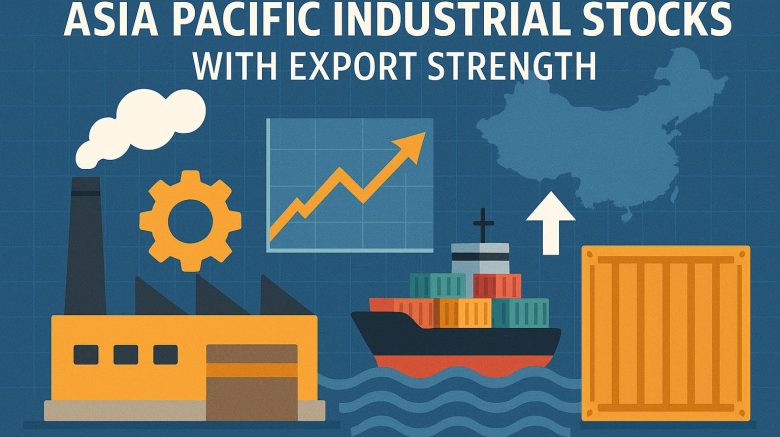
Overview of Asia Pacific Industrial Stocks
The Asia Pacific region has positioned itself as a significant player in the global industrial sector, with numerous companies establishing robust export capabilities. Several of these firms have carved a niche in the international market owing to factors such as low production costs, technological advancements, and strategic geographic locations that offer unique advantages.
Strengths of Asia Pacific Industrial Companies
Asia Pacific industrial companies boast formidable strengths, primarily manifested in their competitive manufacturing capabilities and access to crucial raw materials. These components provide them with a distinct edge, helping them maintain cost-effective production processes. Many companies are also investing heavily in research and development to bolster their technological prowess. This focus on innovation aids significantly in producing groundbreaking products that are tailored to meet the diversified demands of global markets.
By being at the forefront of technology, these companies can capitalize on new opportunities that arise in both emerging and established markets. Their ability to innovate allows them to stay ahead in sectors where technological advancements play a crucial role. For instance, the integration of digital technologies in manufacturing processes not only enhances productivity but also reduces costs, enabling these firms to offer competitively priced products in global markets.
Key Players in the Region
The Asia Pacific region is home to numerous influential industrial players. Notably, Japan’s industrial sector is highly regarded for its precision manufacturing capabilities. This expertise is particularly evident in the production of high-quality automotive parts and electronic components—sectors where Japan continues to set global standards.
South Korea also stands out, primarily due to its strength in shipbuilding and heavy industries. These industries have ensured South Korea’s place as a leader in global industrial production, supported by the presence of major conglomerates that have established a substantial global footprint.
China, on the other hand, continues to dominate with its vast production capacities that span a wide range of industrial sectors. China has become synonymous with large-scale production, which allows it to meet the demands of massive global markets efficiently. Its production capabilities are continually expanding, backed by the government’s commitment to industrial growth and infrastructure development.
Export Capacities and Global Reach
A crucial element of the success of Asia Pacific industrial companies is their robust export infrastructure. This includes modern logistic frameworks and strategic partnerships that enhance their reach beyond national borders. For instance, many firms in the region leverage Free Trade Agreements (FTAs) that facilitate smoother trade operations within and beyond the region.
These agreements reduce trade barriers and offer companies a level of certainty and stability when exporting goods, thus increasing their competitiveness on the international stage. Firms benefit from efficient international distribution channels, which are crucial for meeting the diverse needs of customers worldwide. This infrastructure not only supports export growth but also solidifies the region’s position as a central hub for industrial activity.
Future Prospects and Challenges
The prospects for Asia Pacific industrial stocks are promising, as the region continues to attract substantial foreign investments due to its growth potential and evolving industrial capabilities. Investors are drawn by the area’s dynamic industrial landscape, which is marked by continuous advancements and market potential.
However, the path forward is not without challenges. Geopolitical tensions have the potential to disrupt trade relationships and impact market stability. Companies must therefore remain agile, adapting to changes in the geopolitical landscape and ensuring compliance with regulatory requirements.
Fluctuating global demand also presents a risk, necessitating that companies diversify their markets and product offerings to mitigate potential downturns. Additionally, environmental concerns are becoming increasingly pertinent, with both governmental and consumer pressure mounting on companies to implement sustainable practices.
To address these challenges, firms within the region are investing in sustainability initiatives and implementing eco-friendly practices as part of their corporate strategy. This shift is not only critical for compliance with future regulations but also serves as a competitive advantage as global consumers become more environmentally conscious.
In conclusion, Asia Pacific industrial stocks with a strong export focus exemplify vigorous growth and significant potential. Investors in this sector must remain vigilant, keeping a close eye on regional developments, while contemplating the long-term prospects of these companies within the broader context of global economic changes. This vigilance is key to making informed investment decisions that capitalize on the dynamic nature of Asia Pacific industrial markets and their substantial contributions to the global economy.
This article was last updated on: September 19, 2026