
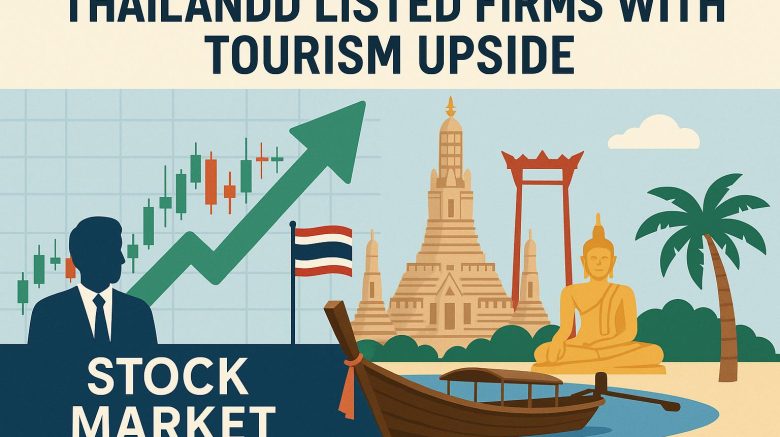
Thailand’s Tourism Industry and Economic Recovery
Thailand’s tourism sector serves as a critical cornerstone of its economy, traditionally contributing a significant portion to the nation’s Gross Domestic Product (GDP). Due to the pandemic, this industry faced severe setbacks, but as international travel begins to recover, the potential for revitalizing this essential economic component becomes increasingly apparent. While global travel restrictions are easing, travelers are gaining more confidence to embark on international journeys once again. This shift offers a promising opportunity for Thailand’s economy, particularly as several firms listed on the Stock Exchange of Thailand (SET) stand poised to reap the benefits of a tourism resurgence. Given these companies’ deep ties to tourism and related services, they remain integral players in the economic recovery landscape.
Key Players in the Market
The Thai tourism industry encompasses a diverse array of businesses, from airlines and hotels to food and beverage enterprises, each playing a pivotal role in catering to tourists. Several leading companies listed on the Stock Exchange of Thailand (SET) are closely linked with the tourism sector. These companies are well-positioned to experience significant business growth due to the expected increase in travel and tourism activities. Below is an analysis of a few prominent firms within the aviation, hospitality, and food and beverage sectors, each of which could see a notable upswing as tourism activity picks up.
Airlines
The aviation sector is the backbone of both domestic and international travel, making it integral to the tourism industry’s success. Two major airlines, Thai Airways International PCL and Bangkok Airways Public Company Limited, stand as key components of Thailand’s strategy to attract travelers. As travel bans are lifted and air travel demand surges, these airlines are anticipated to witness increased passenger volumes. This is expected to lead to an improved financial performance over time. The recovery of Thailand’s flag carriers will depend on their ability to adapt to new travel regulations, improve operational efficiencies, and re-establish critical routes.
Hospitality Sector
The hospitality industry, which includes hotel chains, resorts, and other accommodations, is intrinsically tied to tourist inflows and is therefore essential for the recovery narrative. Within this sector, noteworthy players such as Minor International PCL and Central Plaza Hotel PCL operate a wide variety of hotel brands both within Thailand and internationally. Given the expected increase in tourist arrivals, these companies are well-positioned to capitalize on rising occupancy rates. This uptick in hotel stays not only enhances their revenue potential but also reinforces brand loyalty and visibility in key markets. As these firms leverage strategic growth opportunities, they’ll likely see improved profit margins and stronger competitive standings in the global hospitality marketplace.
Food and Beverage Industry
Tourism’s effect extends beyond travel and accommodation, significantly impacting the food and beverage industry. Companies that have established a substantial presence in popular tourist locations can expect to see benefits reflecting the resurgence of tourism. One such company is Thai Beverage Public Co. Ltd., which offers an extensive range of food and drink options. Increased foot traffic in their dining establishments due to rising tourist numbers contributes positively to their revenue streams. Companies within the food and beverage sector must continually adapt their offerings to meet changing traveler preferences and capitalize on new trends in dining experiences.
Challenges and Considerations
Despite the promising outlook, companies within the tourism sector face several challenges. These include fluctuating consumer confidence, particularly in the wake of the pandemic, and ongoing health concerns that may deter potential tourists. Businesses must be vigilant about potential disruptions resulting from pandemics, geopolitical developments, or unforeseen global events that can impact tourism. Sustainable growth will require effective risk management and responsive adaptation strategies that address these challenges head-on. Companies need to invest in safety measures, innovative service offerings, and strategic partnerships to bolster their resilience in the face of such uncertainties.
Outlook and Opportunities
The future trajectory of Thailand’s tourism sector indeed holds numerous opportunities for growth and revitalization. However, the recovery landscape largely hinges upon the effective management of health protocols and the rebuilding of consumer confidence. Thailand-listed firms with strong business models, diversified portfolios, and strategic expansion plans are well-suited to leverage the potential upswing tourism offers. These companies contribute significantly to Thailand’s broader economic recovery framework as they navigate the evolving industry dynamics. For investors and stakeholders, the tourism sector provides a lucrative opportunity to engage with businesses poised to perform well amid a more stable, post-pandemic world.
As Thailand welcomes back its visitors, the collective efforts of key industry players, along with supportive governmental policies, will be crucial for ensuring a sustainable recovery. Stakeholders can expect to see continuous efforts towards innovations in service delivery, enhancements in customer experience, and strategic investments that support scalability and resilience. For a deeper dive into financial updates and detailed company reports, interested parties can explore resources available on the Stock Exchange of Thailand’s official website. These resources provide insights into Thailand’s economic resurgence and the promising paths many companies within the tourism sector are set to follow.
This article was last updated on: August 15, 2026